

Description
Latin Name: Pandemis cerasana
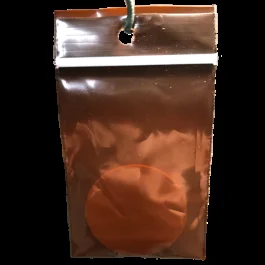
Lure: Red Rubber Septum
Lure Active Ingredient: Z11-14Ac and E11-14Ac
Field Life: 30 days.
Trap to Use: Red Paper or Plastic Delta Trap
Monitoring Strategy:
Cultural and Physical Control:
Distribution: Iberian Peninsula to Ural Mountains and Caucasus, Siberia, Kazakhstan, Mongolia, China, Asia Minor and Iran. Introduced to North America
Hosts: Various deciduous trees and shrubs, including fruit trees such as apple, pear, hazelnut, currant, blackberry, raspberry, cherry and plum.
:
Adult: The wingspan can reach 16–25 mm Forewings ground color ranges from pale ocher yellow to greyish brown with a large dark chestnut brown V marking and a dark brown lateral spot. The outer margin of forewings is sinuous, slightly oblique. The hind wings are almost uniform greyish brown
Larvae: Larvae can reach a length of about 20 mm. They are light green, thin and flattened.
Life Cycle: In western Europe these moths fly from June to August, mainly from dusk into the night. This species has two generations a year, the second-generation larva being the winter form. Eggs are deposited in batches on leaves or branches, hatching a few weeks after oviposition. Larvae feed until the third instar in summer and winter before overwintering, resuming once blooming begins in Spring. Pupation occurs in May or early June

Reviews
There are no reviews yet.